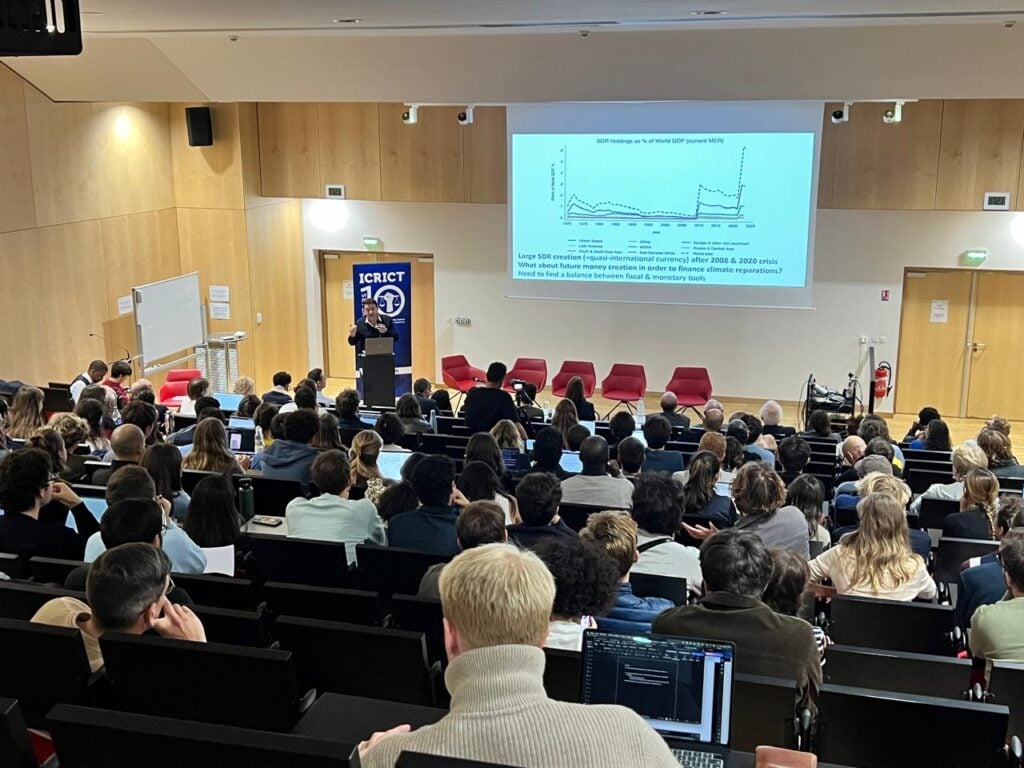
Tuesday, September 30 – At UNESCO, Commissioner Jayati Ghosh opened the week with the 'Albert Hirschman Lecture', emphasising that care work must be recognised as a collective good that requires adequate resources and regulation. She emphasised that financial market regulation is essential for the success of any progressive policy and called for a global framework that would enable nations to increase their fiscal capacity through progressive taxation, particularly targeting multinational corporations and the ultra-wealthy. She argued that public spending on care and environmental preservation should be viewed as global public investment rather than merely as aid. See full video here: https://youtu.be/hivOM-Eyn9k
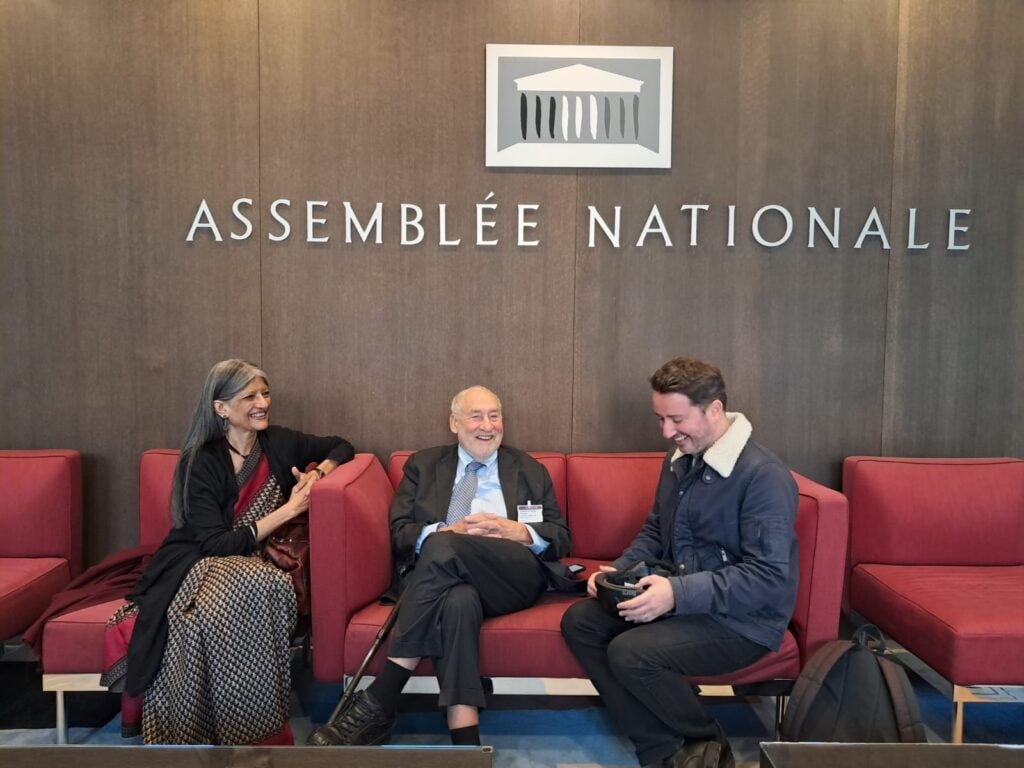
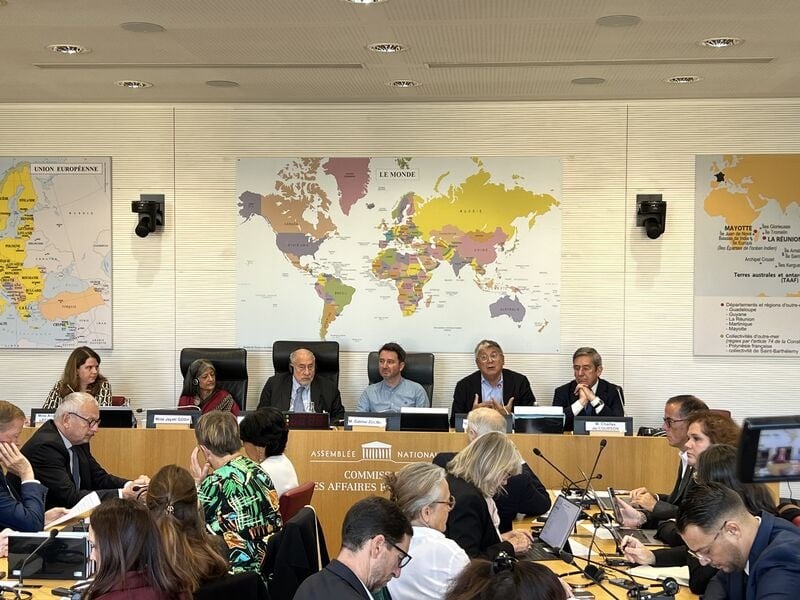
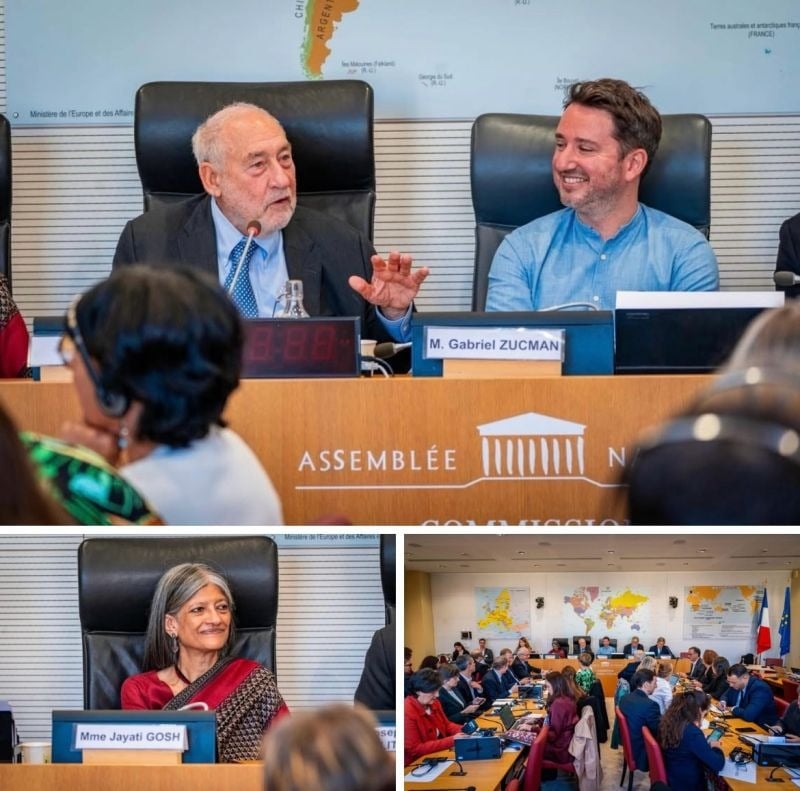
Wednesday, October 1 – French National Assembly In a historic audience hosted by MP Éric Coquerel, Chair of the Finance Commission, Commissioners Gabriel Zucman, Jayati Ghosh, and Joseph Stiglitz made a compelling case for a 2% minimum tax on wealth exceeding €100 million. Zucman noted that "the ultra-rich pay proportionally much less than other social classes—a finding now widely shared." Ghosh highlighted that technological creativity thrives primarily in mid-sized companies, not the large conglomerates this tax would target. Stiglitz defended the measure as vital for France's public finances, democracy, and social justice. He emphasised that “the fact billionaires have been so vocal in their opposition to the 'Zucman Tax' suggests they are not paying even 2%. It's an admission of tax avoidance.” Any billionaire not earning an annual return of at least 10% is doing something wrong, he said. Taxing their wealth at 2% would be equivalent to taxing 20% of that annual return — a level common throughout the world, he concluded.
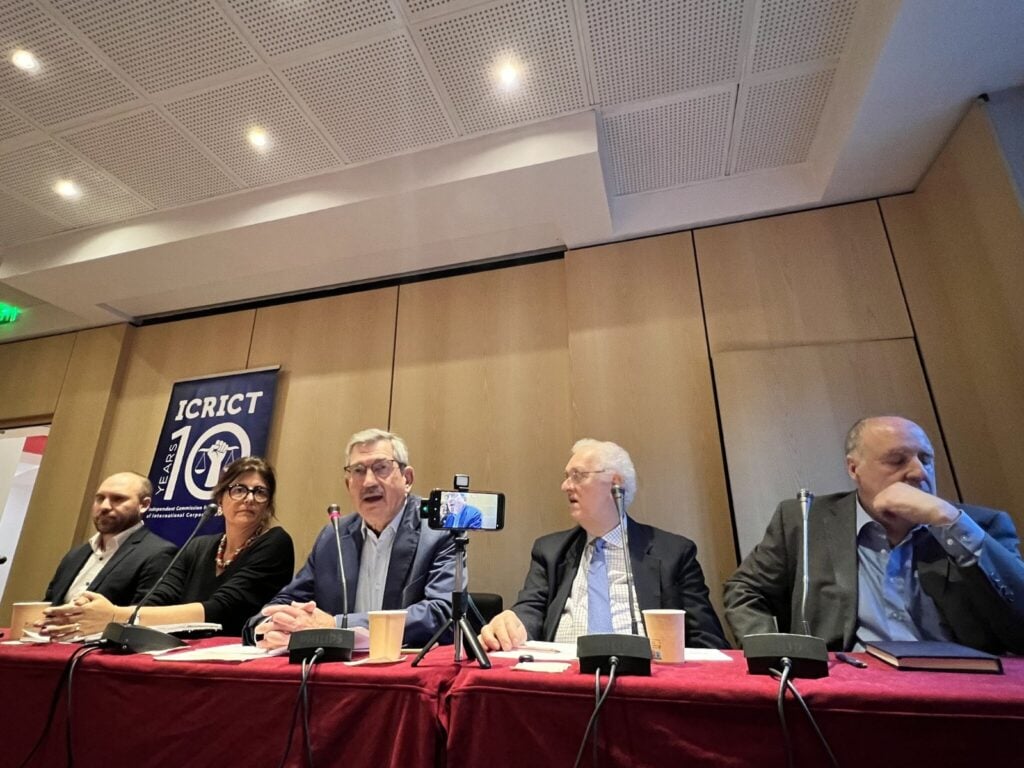
Wednesday, October 1 – Maison de l'Amérique Latine Commissioners José Antonio Ocampo, Magdalena Sepúlveda, Ricardo Martner, and Martín Guzmán, moderated by journalist and economist Braulio Moro, explored the future of progressive ideas and democracy in Latin America. Ocampo emphasized the region's essential participation in UN Tax Convention negotiations. Martner called for fiscal rationality with wealth taxes, warning that "hyper-concentration of wealth is the principal risk to democracy." Sepúlveda connected fair taxation of multinationals and the super-rich to delivering quality public services in education, health, and sustainable energy transition. Guzmán raised a critical question about multilateral financial institutions, noting that while Europe collectively holds more shares than the US, it tends to follow US preferences, effectively allowing the US to rule over these institutions—highlighting the need for Europe to use its power more effectively in shaping global economic governance.
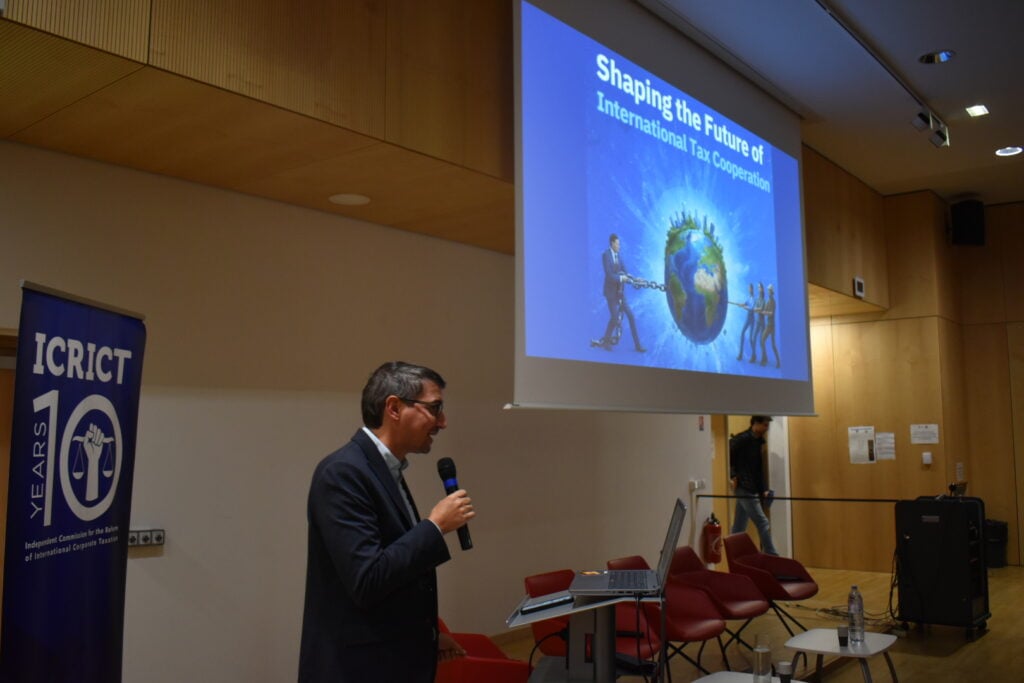
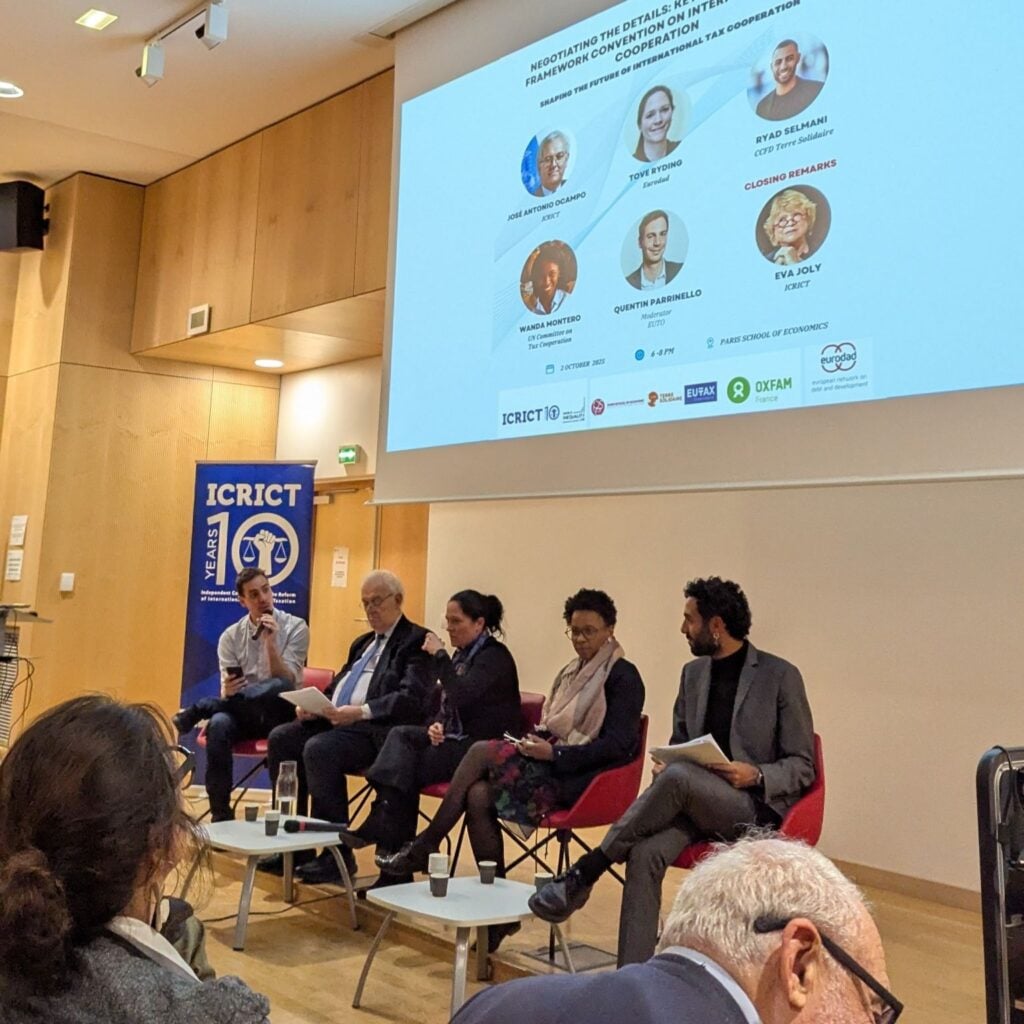
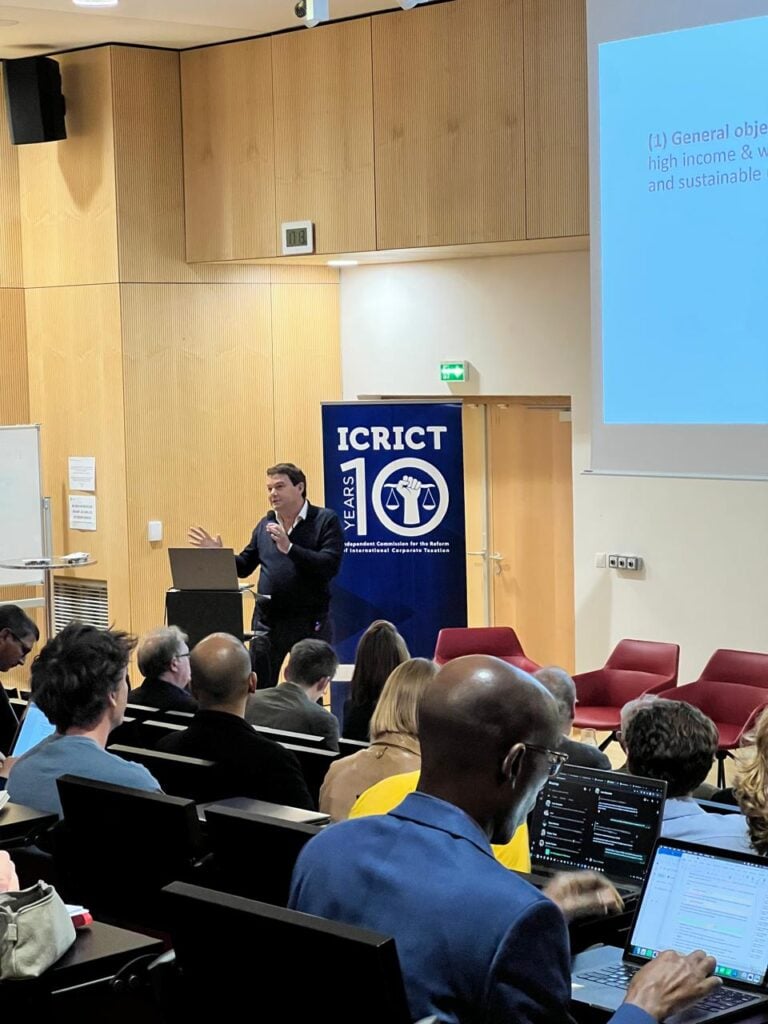
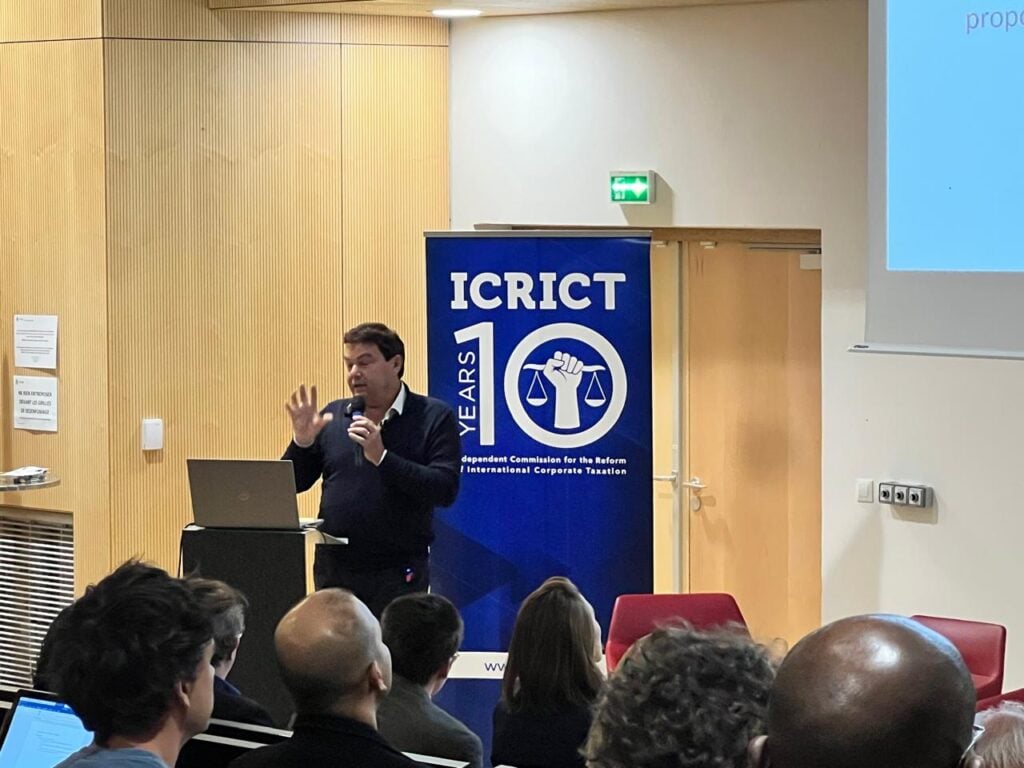
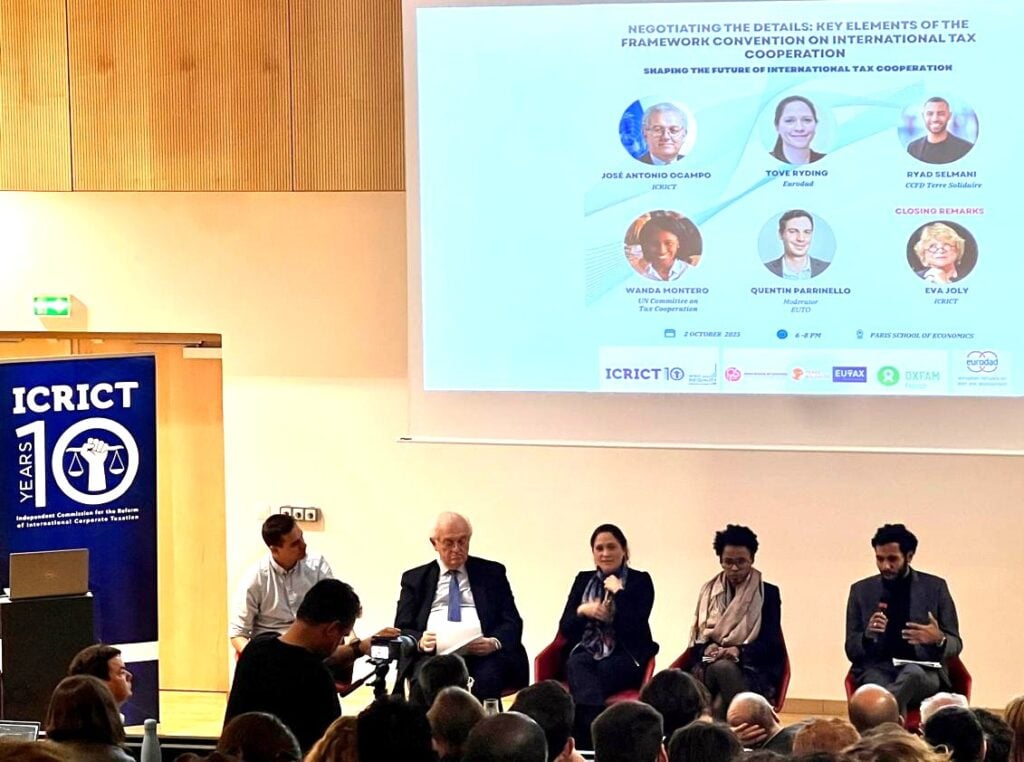
Thursday, October 2 – Paris School of Economics Conference ICRICT's flagship conference Shaping the Future of International Tax Cooperation featured powerful interventions setting out a clear message: the future of taxation will be built on fair coalitions, stronger institutions, and genuine multilateralism.
In his keynote, Thomas Piketty warned that refusing to join fair tax coalitions will not be cost-free—staying outside may seem possible now, but penalties and sanctions will eventually follow, making cooperation the only viable path forward.
Joseph Stiglitz critiqued the OECD's Pillars One and Two for having too few voices at the table and standards weaker than experts recommended, calling for real support for a UN tax convention and reimagining multilateralism to foster genuine cooperation.
José Antonio Ocampo stressed that rules on cross-border services must extend beyond digital taxation, pointing to Colombia's "significant economic presence" model and urging progress through stronger EU–Global South cooperation.
In her closing remarks, Eva Joly provided powerful historical context, reminding us that "we have been living with a failed system for decades"—one dating back to the 1920s. She recounted how developing countries like Zambia received only 1.5% income from their copper resources while benefits flowed to tax havens, and how the OECD's recent reforms would deliver merely $4 billion to all developing countries combined. She declared the UN Framework Convention on Tax "the only hope" for achieving true tax justice, emphasizing that "we must do a lot of work to help the UN finalize this tremendous work that is ahead of us."
Panels with Manon Aubry, Valérie Hayer, Tove Maria Ryding, Ryad Selmani, and Wanda Montero Cuello examined the geopolitics of trade and tax wars, highlighting competing interests between multinationals, the ultra-wealthy, and countries urgently needing revenue for climate action, poverty reduction, and democratic resilience.
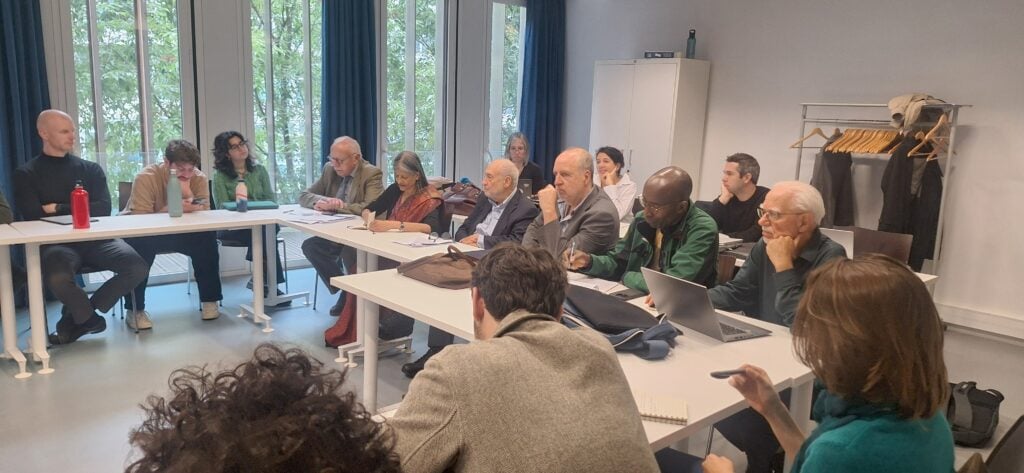
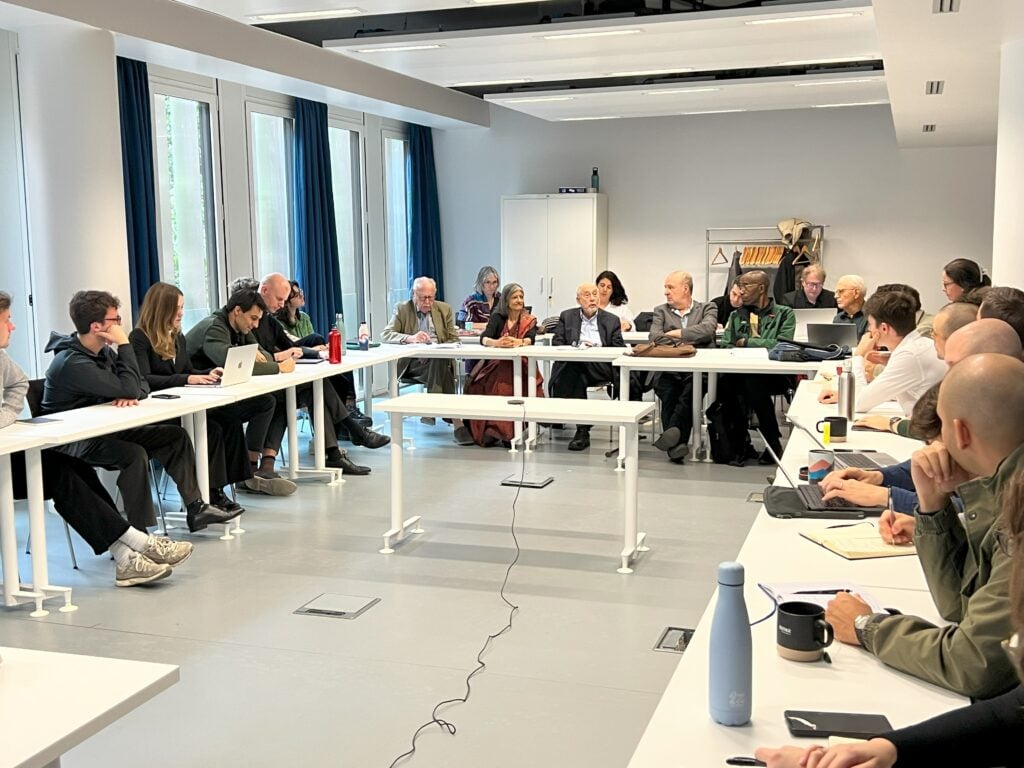
Friday, October 3 – EU Tax Observatory Exchange The week concluded with a valuable 90-minute dialogue between ICRICT Commissioners Joseph Stiglitz, Jayati Ghosh, Valpy Fitzgerald, Léonce Ndikumana, and Ricardo Martner and the EU Tax Observatory (EUTO) research team. This exchange provided a unique opportunity for senior and junior researchers, PhD students, postdoctoral fellows, and policy teams to engage directly with the Commissioners on key international tax cooperation priorities—particularly in light of the upcoming UN Framework Convention on International Tax Cooperation—and to explore areas where further academic research could contribute to ongoing policy discussions.
Moving Forward It was an inspiring and thought-provoking week that deepened global dialogue and reaffirmed ICRICT's commitment to advancing fair and progressive taxation. Witnessing such leadership from ICRICT Commissioners and allies at this pivotal moment is inspirational and a breath of fresh air. The message is clear: building a fair international tax system will not be easy, but the momentum for change is undeniable.